Coming soon in Burin NL by late 2025 Call: (709) 555-0000
Vestibular assessment — eye tracking and balance testing

Vestibular Rehabilitation (Dizziness & Balance)

One-on-one assessment and targeted exercises to treat vertigo, dizziness, and motion sensitivity—so you can move confidently again.

Book Now

What vestibular rehab does

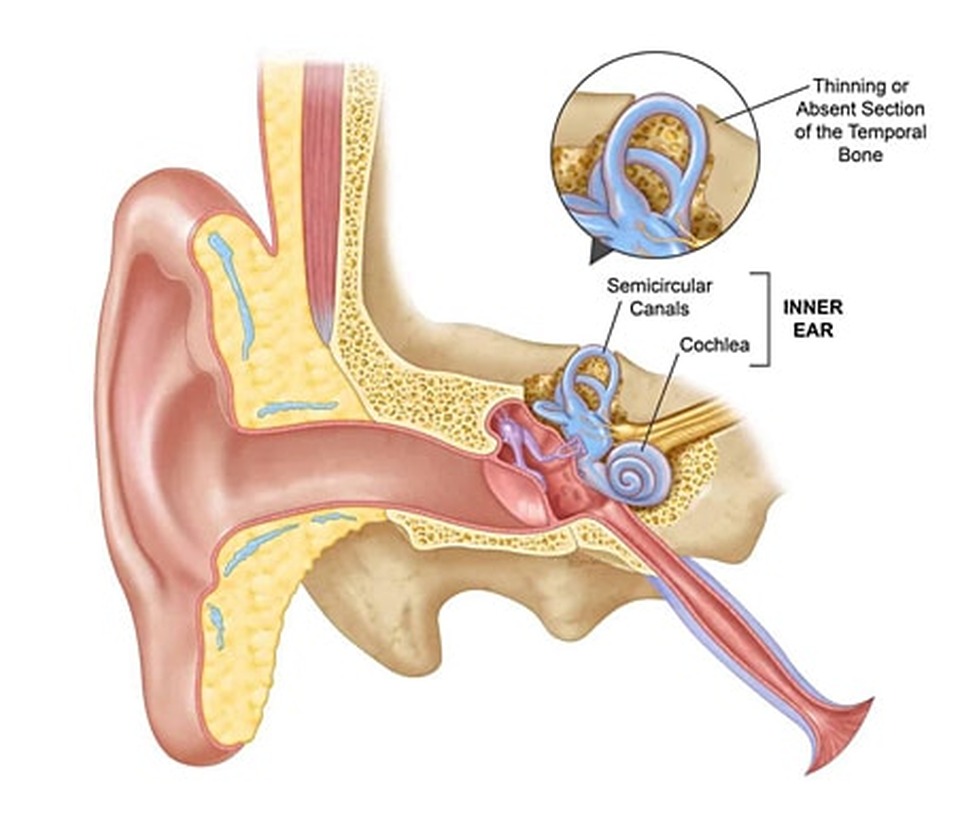
The vestibular system (inner ear, eyes, and brain) keeps you steady and oriented. Injury or dysfunction can cause vertigo, dizziness, imbalance, nausea, and “busy background” blur. Vestibular rehabilitation uses specific maneuvers and exercises to retrain this system.

  • Reduce vertigo and dizziness
  • Improve gaze stability and reduce visual motion sensitivity
  • Restore balance and confidence in daily activities
  • Teach self-management to prevent recurrences
What to expect
  • Clear, plain-language explanation of your specific dizziness
  • Gentle testing of eye movements, balance, and positional triggers
  • A precise plan: canalith repositioning, gaze exercises, habituation, and balance drills—tailored to you

Common conditions we treat

BPPV (Benign Paroxysmal Positional Vertigo)

  • Brief spinning with rolling in bed, looking up, or bending
  • Treated with repositioning maneuvers (Epley, Semont, BBQ roll)
  • Self-care tips and recurrence prevention

Vestibular Neuritis / Labyrinthitis

  • Acute vertigo followed by lingering imbalance and motion sensitivity
  • Adaptation (gaze-stabilization VOR x1/x2) and balance retraining
  • Graded return to normal activities

Menière’s Disease

  • Episodic vertigo with ear fullness, tinnitus, and hearing changes
  • Stability training between attacks; flare management strategies
  • Education and coordination with your physician/ENT

PPPD / Motion Sensitivity

  • Persistent dizziness worse in busy places, screens, or walking
  • Habituation and graded visual-motion exposure
  • Breathing/pacing strategies to reduce symptom focus

Concussion / Whiplash-related Dizziness

  • Neck and eye-movement contributors screened
  • VOR training, balance and dual-task progression
  • Return-to-learn/work/sport guidance

Age-related Imbalance & Falls Risk

  • Strength, sensory integration and reaction training
  • Home safety and walking aid advice
  • Community activity confidence building
BPPV Maneuvers Gaze Stabilization Habituation Balance Training Falls Prevention

Your first visit (45–60 minutes)

Assessment

  • Detailed history of triggers, duration, ear/hearing symptoms, migraines, and medications
  • Oculomotor tests (smooth pursuit, saccades), head-impulse (VOR), positional testing (Dix-Hallpike, roll test)
  • Balance and gait tests (Romberg, tandem, single-leg)

Treatment & plan

  • Immediate maneuvers if BPPV is confirmed
  • Home program: 2–4 short sessions/day of targeted exercises
  • Progression milestones and follow-up schedule
Bring & wear
  • List of medications and recent medical findings
  • Glasses you normally use; avoid heavy eye makeup if possible
  • Comfortable clothing and flat shoes

How we treat

  • Canalith repositioning: Epley/Semont/BBQ roll variants for the affected canal
  • Adaptation: gaze-stabilization (VOR x1/x2), head-eye coordination
  • Habituation: graded exposure to provoking head/visual movements
  • Balance & gait: stance progression, dynamic walking, dual-tasking
  • Neck & visual contributors: cervical mobility, oculomotor drills
  • Education: sleep, hydration, pacing, flare management, relapse prevention
Typical care pathway

BPPV: many improve in 1–3 sessions; recurrences are common but usually resolve quickly with repeat maneuvers and home strategies.

Unilateral hypofunction / neuritis: often 4–8 visits over 4–8 weeks with daily home exercises.

Complex cases (PPPD, post-concussion, Menière’s): usually 6–12+ visits across 8–12+ weeks with careful progression and medical coordination.

Safety first

Vestibular rehab is safe and effective when tailored to you. Mild temporary dizziness during exercises is expected and part of retraining.

Seek urgent medical care if you have
  • Sudden severe headache, double vision, slurred speech, facial droop, limb weakness/numbness
  • Chest pain, fainting, or new neurological symptoms
  • Acute hearing loss in one ear—contact your doctor/ER promptly

Insurance & Direct Billing

Vestibular therapy provided by licensed physiotherapists is billed as physiotherapy. In NL you can book directly; some plans may require a physician’s referral for reimbursement. We offer Direct Billing to many insurers.

FAQ

Will the maneuvers make me very dizzy?

They can briefly provoke vertigo, which is expected, but episodes are short. We guide breathing and pacing to keep you safe.

How long until I feel better?

BPPV often improves immediately or within a few days. Hypofunction and post-concussion dizziness improve steadily over weeks with consistent home practice.

Will it come back?

BPPV can recur; we’ll teach recognition and self-care. For other conditions, staying active and continuing a few maintenance drills helps durability.

Do I need imaging or a referral?

No imaging is typically required, and you can book directly. If we suspect a medical issue, we’ll liaise with your physician or ENT.

Ready to steady your balance?

Book your one-on-one vestibular assessment. We’ll confirm the cause and build a plan to help you move with confidence.

Book Now