Coming soon in Burin NL by late 2025 Call: (709) 555-0000
Manual therapy: joint and soft-tissue techniques by a physiotherapist

Manual Therapy

Hands-on techniques that ease pain, restore motion, and prepare your body for the simple exercises that make results last.

Book Now

What manual therapy is & why we use it

Manual therapy is targeted, hands-on treatment to joints, muscles, and fascia. It helps calm pain and protective tension, improves mobility, and makes exercise more comfortable and effective.

  • Short-term pain relief and mobility gains
  • Prepares you for targeted exercise
  • Individualized to your condition and goals
  • Best outcomes when combined with education & loading
What to expect
  • Clear explanation; gentle start, then progress as tolerated
  • Options adjusted for sensitivity (position, pressure, duration)
  • Always followed by simple exercises to “lock in” change
  • Mild post-treatment soreness for 24–48 hours can be normal; we’ll show you how to manage it.

Before & after your visit
Drink water, keep moving gently the same day, and use light heat/ice if needed. We’ll give you simple home steps to manage any post-treatment soreness.

Techniques we may use

Joints

  • Maitland & Mulligan joint mobilizations (Grades I–IV, MWM)
  • Segmental & rib mobilizations; lumbar/thoracic techniques
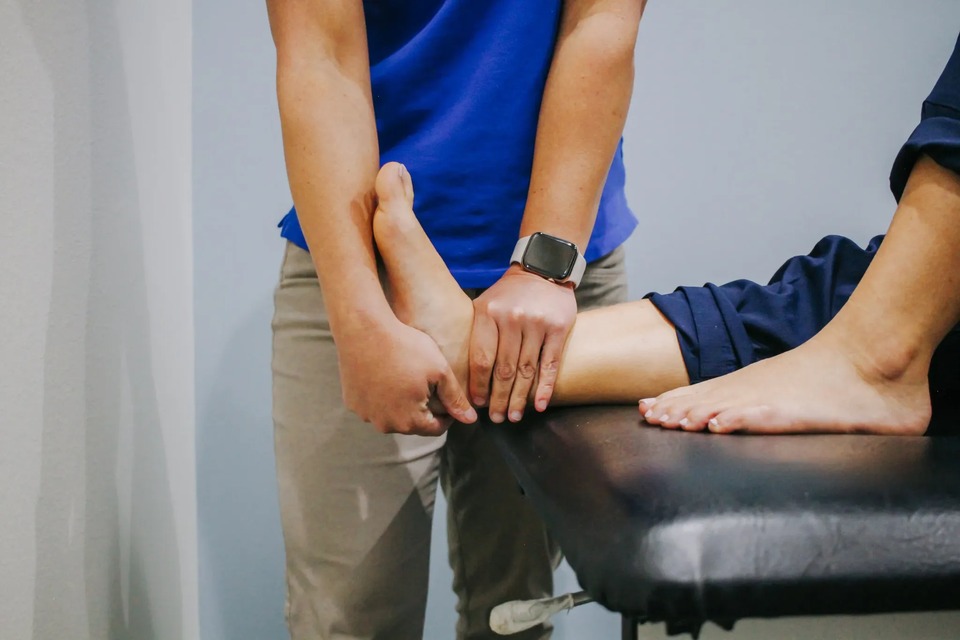
  • SIJ & hip mobilization; ankle/foot, wrist/hand techniques
  • High-velocity techniques used selectively, with consent.

Soft Tissue & Fascia

  • Myofascial release, trigger point pressure
  • IASTM/Graston (instrument-assisted) for tissue glide
  • Cupping (decompression) to improve tissue excursion
  • Scar & cross-friction techniques when appropriate

Neuro & Support

  • Nerve glides (median/ulnar/radial, sciatic/tibial)
  • PNF & muscle energy techniques (MET)
  • Taping (rigid/Kinesio) for comfort and cueing
  • Breathing & relaxation strategies

* Techniques are tailored to you and used only when clinically appropriate.

Techniques — quick guide with images

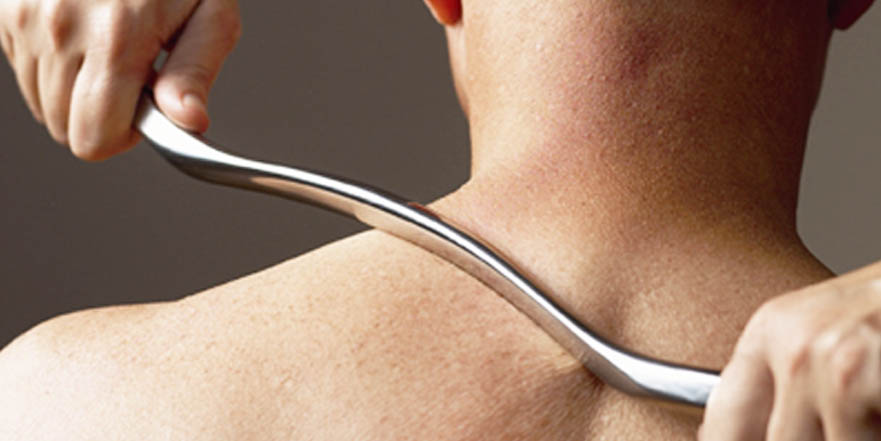
IASTM/Graston tool gliding along forearm muscle

IASTM / Graston

Stainless-steel instruments glide along superficial fascia and muscle to reduce tension and improve tissue mobility and range of motion.

  • Reduces friction and improves tissue glide
  • Modulates pain and supports ROM
  • Follow with 2–3 exercises to make gains stick
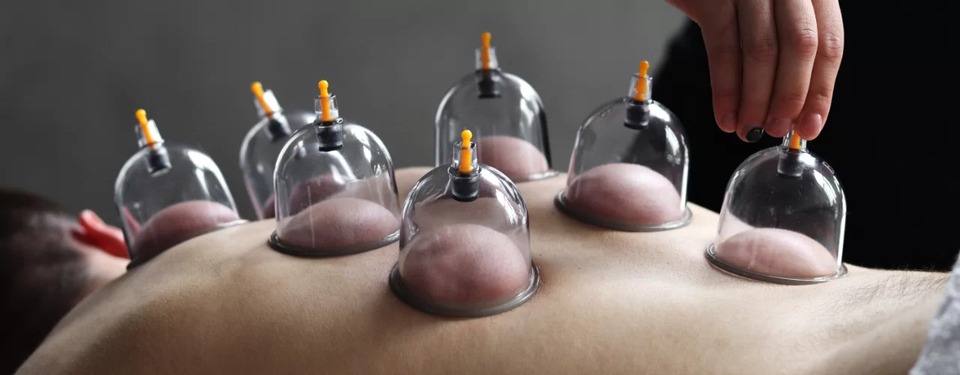
Silicone cup applied to the upper back for decompression

Cupping (Decompression)

Gentle negative pressure lifts tissue, increases local circulation, and improves skin–fascia glide. Can be static or sliding.

  • Adjustable dosing for sensitive areas
  • Temporary marks can be normal
  • Finish with mobility drills
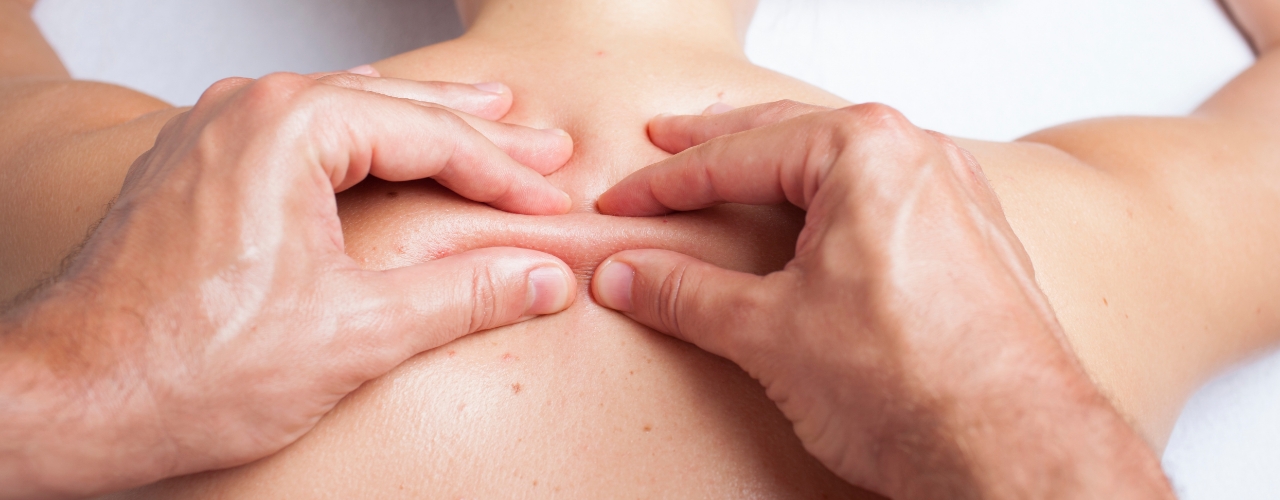
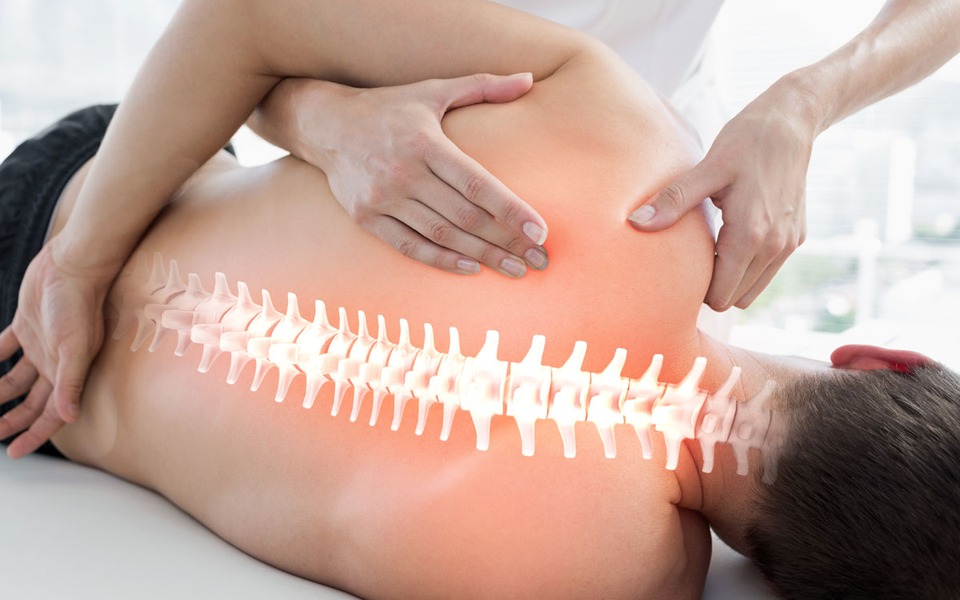
Myofascial release applied to shoulder and upper back

Myofascial Release

Soft-tissue techniques that target muscle and surrounding fascia to calm pain, reduce protective guarding, and improve movement quality.

  • Reduces protective muscle tension
  • Enhances movement comfort and control
  • Often paired with breathing/relaxation strategies
Physiotherapist performing shoulder joint mobilization

Joint Mobilizations

Rhythmic, targeted oscillations and glides (Maitland/Mulligan) to reduce pain and improve joint play and motion.

  • Grades I–IV and MWM variations
  • Short, focused dosing
  • Follow with active motion and loading
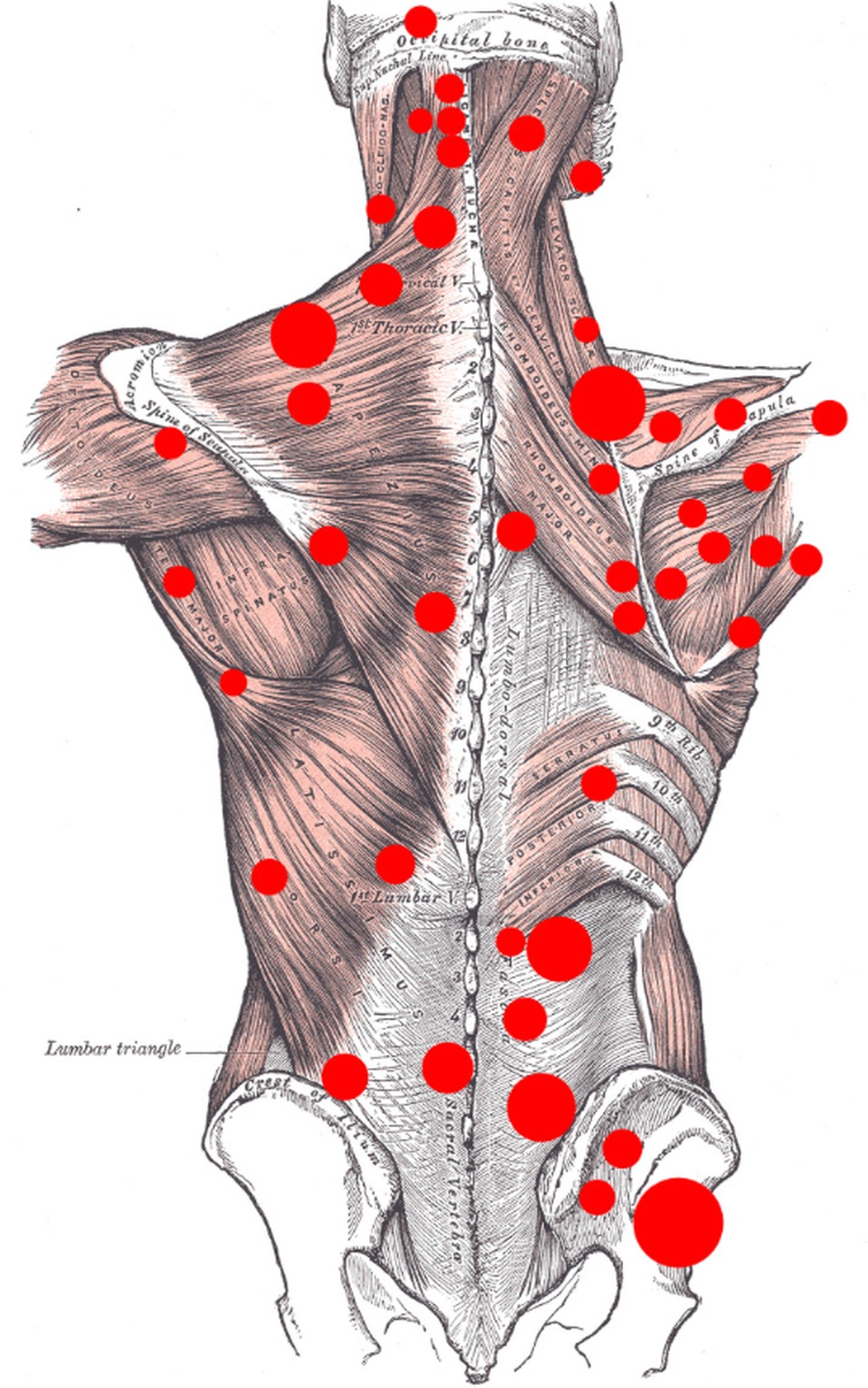
Trigger point pressure applied to forearm extensors

Trigger Point Release

Focused pressure to sensitive bands/trigger points to settle referred pain and normalize muscle activation.

  • Gradual pressure within comfort
  • May be combined with dry needling when appropriate
  • Finish with stretch/activation work
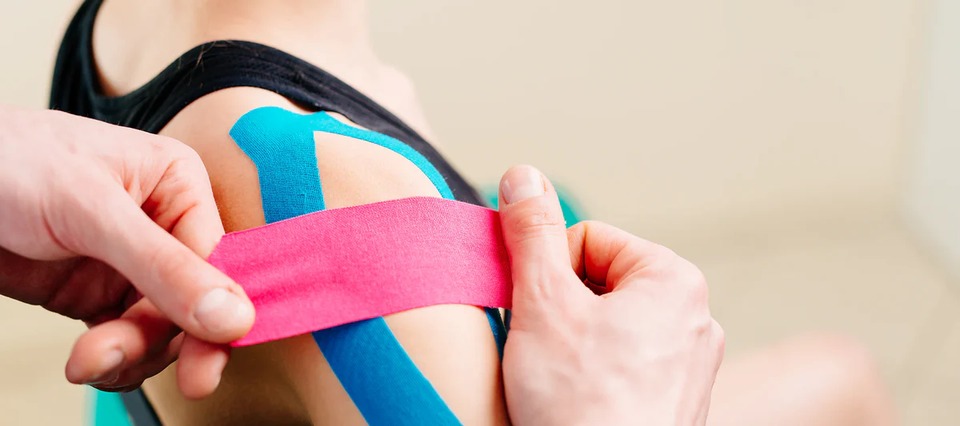
Kinesiology taping applied to the shoulder for support and cueing

Taping

Rigid taping and K-tape can provide short-term support and sensory cueing to reduce pain, improve joint alignment, and remind you of good movement patterns during activity. Taping offers short-term support and proprioceptive cueing; it’s not a substitute for rehab/exercise.

  • Rigid protects the joint; K-tape wakes up the sensors.
  • K-tape can “turn down” pain signals
  • Taping can help fluid move out of puffy areas after minor injuries

Common problems we help

Spine & Head

  • Neck pain, cervicogenic headache
  • Thoracic stiffness, low back pain
  • Postural strain and desk-related pain

Upper Limb

  • Rotator cuff/shoulder impingement
  • Tennis & golfer’s elbow
  • Wrist/hand overuse & TFCC irritation

Lower Limb

  • Knee pain (PFPS, jumper’s knee)
  • Hip/gluteal pain, trochanteric bursitis
  • Ankle sprain, plantar fasciitis, Achilles pain
Joint Mobilization IASTM/Graston Cupping Trigger Point Taping

How we use manual therapy in your plan

  • Hands-on to settle pain & improve movement
  • Immediate follow-up with 2–4 key exercises
  • Progressive loading for strength and tolerance
  • Posture/ergonomics and pacing for day-to-day control
  • We track objective changes each visit (ROM, strength, function)
Plan of care (typical ranges)

Acute flares: 3–6 visits across 3–5 weeks.

Persistent pain/stiffness: 6–10 visits across 6–10 weeks.

Complex/long-standing cases: 8–12+ visits across 8–12+ weeks.

We reassess each session (pain, range of motion, strength, function). If progress stalls for 2–3 visits, we adjust the plan or coordinate with your physician.

Safety & when we avoid certain techniques

Manual therapy is safe when applied by trained clinicians and tailored to you. Soreness for 24–48 hours can be normal, especially early on.

We modify/avoid if you have
  • Acute fracture, infection, open wound or active cancer at the site
  • Severe osteoporosis or inflammatory flare
  • Neurological red flags, progressive weakness or numbness
  • Anticoagulants/bleeding disorders (for soft-tissue/cupping)

Insurance & Direct Billing

Manual therapy is part of physiotherapy. In NL you can book directly—some plans may request a physician’s referral for reimbursement. We offer Direct Billing to many insurers and provide detailed receipts for others.

FAQ

Is manual therapy the main treatment?

It’s a tool, not the whole plan. Hands-on care reduces pain and stiffness so you can do the exercises that create lasting change.

Does it hurt?

You may feel pressure or stretch; we always work within comfort and adjust technique immediately if it’s too much.

Do you do Graston/IASTM and cupping?

Yes, when appropriate and with consent. We also teach simple self-care strategies for home between visits.

How quickly will I feel better?

Many notice short-term relief right away; durability builds as you progress exercises over weeks. We’ll set realistic milestones together.

Ready to get moving again?

Book your one-on-one assessment. We’ll tailor hands-on care and a simple plan that fits your life.

Book Now